
Private Mortgage Insurance Explained Simply
Private Mortgage Insurance protects the lender, not the borrower, and it usually does not last forever. Learn when PMI applies, what it costs, and how to remove it.
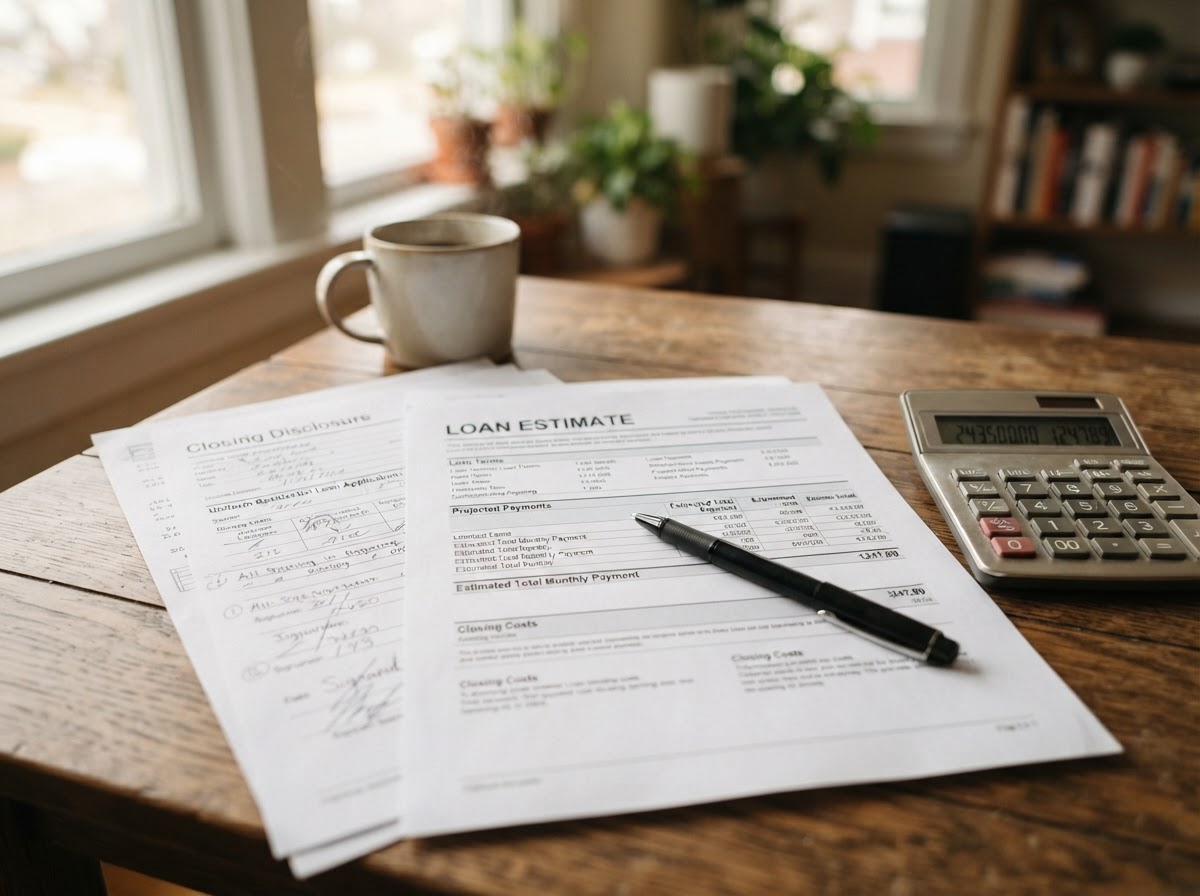
Private Mortgage Insurance basics every buyer should know
Private Mortgage Insurance is one of the most misunderstood parts of a home loan. Many buyers assume it protects them, but that is not how it works. Private Mortgage Insurance protects the lender in case the borrower stops making payments on a conventional loan.
This coverage allows lenders to offer financing with smaller down payments. Without it, most buyers would need a much larger upfront investment before qualifying.
When Private Mortgage Insurance applies: PMI is typically required when a borrower puts down less than twenty percent on a conventional mortgage. That means many first-time buyers will encounter it.
Why lenders require PMI on low down payment loans
A common scenario involves a buyer putting down a modest amount to secure a home sooner. Instead of waiting years to save more, they move forward and accept a temporary monthly insurance cost. Private Mortgage Insurance protects the lender, but it helps buyers access homeownership earlier.
Lenders take on more risk when a borrower has less equity in the property. Private Mortgage Insurance reduces that risk, which makes lenders more comfortable approving loans with smaller down payments.
Programs backed by Fannie Mae and Freddie Mac support these structures, helping expand access to homeownership.
How this helps buyers
- Lower upfront savings requirement
- Faster entry into the housing market
- Ability to build equity sooner
Consider a buyer who chooses to purchase now instead of waiting to save a larger down payment. Over time, they begin building equity while avoiding years of rent payments. That tradeoff often becomes part of a broader financial strategy rather than a simple cost decision.
How much Private Mortgage Insurance costs

Private Mortgage Insurance is not a flat fee. The cost depends on several factors tied to borrower risk and loan structure. Most estimates fall within a range expressed as a percentage of the loan amount annually, but the exact number varies.
Factors that influence PMI cost
- Credit profile
- Down payment size
- Loan type and occupancy
- Loan-to-value ratio
Borrowers with stronger credit and larger down payments generally see lower premiums. A buyer purchasing a primary residence with solid credit may pay far less than someone financing an investment property with minimal down.
For example, one borrower with strong qualifications may see a relatively small monthly addition, while another with higher perceived risk could see a noticeably higher cost. That is why reviewing a personalized quote matters.
Data from the Consumer Financial Protection Bureau confirms that mortgage costs vary significantly based on borrower profile and loan structure.
Types of PMI and how payments work
Private Mortgage Insurance comes in several structures. Each option changes how the cost shows up in the loan.
Common PMI structures
- Monthly PMI: added to the mortgage payment and the most common choice
- Single premium: paid upfront at closing
- Lender-paid PMI: built into a higher interest rate
- Split premium: part upfront and part monthly
Each structure has tradeoffs. Monthly PMI keeps upfront costs lower but increases the payment. Lender-paid PMI removes the visible line item but raises the rate, which can increase long term cost.
A borrower planning to stay in the home for a shorter period may evaluate these options differently than someone expecting to keep the loan for many years. That decision should align with broader financial goals.
How to remove Private Mortgage Insurance

One of the most important features of Private Mortgage Insurance is that it usually does not last forever. There are several ways it can be removed from a conventional loan.
Automatic and requested removal
- Automatic termination typically occurs when the loan reaches a lower loan-to-value threshold, assuming payments are current
- Borrowers can often request removal earlier once sufficient equity is reached
Other ways PMI can end
- Home appreciation with a new appraisal
- Refinancing into a new loan without PMI
- Paying down the principal faster
A homeowner who sees property value increase may qualify for earlier removal after an appraisal confirms enough equity. Another borrower may refinance into a new loan structure that eliminates PMI entirely.
Guidelines are influenced by federal rules such as the Homeowners Protection Act. More details are available through the CFPB.
Is Private Mortgage Insurance worth it
Many buyers focus on avoiding Private Mortgage Insurance, but the bigger question is whether waiting actually costs more. Market conditions, rent payments, and home price changes all factor into that decision.
A buyer who delays a purchase to save a larger down payment may face higher home prices or different financing conditions later. Meanwhile, someone who buys sooner begins building equity and stabilizing housing costs.
This decision depends on personal finances, long term plans, and risk tolerance. Private Mortgage Insurance should be viewed as part of a broader strategy rather than a simple added expense.
For buyers evaluating options, reviewing a home loan consultation or exploring a mortgage pre-approval strategy can provide clarity based on current guidelines and individual goals.
Questions about PMI on your loan?
Contact John Naccarato to review your down payment options, estimate PMI cost, and build a plan that fits your timeline.
All loans are subject to approval. Equal Housing Lender. Loan eligibility, terms, and pricing vary by borrower, property, lender, investor, and program guidelines. This article is for educational purposes only.
Frequently Asked Questions
What is Private Mortgage Insurance and who does it protect?
Private Mortgage Insurance, or PMI, is coverage on a conventional loan that protects the lender if the borrower stops making payments. It does not protect the borrower. Its purpose is to reduce the lender's risk so financing can be offered with a smaller down payment, which helps many buyers enter the market sooner than they otherwise could.
How can I remove PMI from my mortgage?
PMI can be removed several ways. It may terminate automatically once the loan reaches a lower loan-to-value threshold, assuming payments are current. A borrower can also request removal earlier once enough equity is reached, often supported by a new appraisal if home values have risen. Refinancing into a new loan without PMI, or paying down the principal faster, can also end the coverage. Federal rules under the Homeowners Protection Act shape how and when removal happens.
Is PMI required on all home loans?
No. PMI is generally required on conventional loans when the down payment is less than twenty percent. Government-backed programs like FHA and VA loans have their own insurance or funding structures instead of conventional PMI. Once a conventional borrower reaches sufficient equity, PMI can usually be removed, so it is not necessarily a permanent cost.
Does PMI go away automatically?
On a conventional loan, PMI often terminates automatically when the loan reaches a scheduled loan-to-value threshold, provided payments are current. Borrowers can also request earlier removal once they have built enough equity. The exact timing depends on the loan terms and federal rules, so reviewing your specific loan details with your loan officer is the best way to know when it can end.
Is paying PMI better than waiting to save 20 percent?
It depends on your situation. Waiting to save a larger down payment can mean paying more rent while home prices and financing conditions change. Buying sooner with PMI allows a borrower to start building equity and stabilizing housing costs earlier. The right choice depends on personal finances, long term plans, and risk tolerance. PMI is usually temporary, so it is best viewed as part of a broader strategy rather than a simple added expense.
More Mortgage Guides



Subscribe to my newsletter
Get the latest Las Vegas real estate market updates, mortgage tips, and rate alerts delivered to your inbox.