
Home Price Estimate: 5 Ways to Get It Right
A home price estimate shapes your offer and loan structure. Learn five ways to get it right, how lenders evaluate value, and the mistakes to avoid before you buy.
Why a home price estimate matters more than people think

A home price estimate shapes almost every decision a buyer makes, from the offer strategy to the loan structure. Many buyers treat pricing like a guessing game, which is understandable when listings, apps, and opinions all show different numbers. The gap between those numbers can be wide, and that creates hesitation.
A more grounded estimate reduces that uncertainty. It helps buyers avoid stretching beyond comfort and keeps expectations aligned with what lenders will review during underwriting. According to guidance from the Consumer Financial Protection Bureau, understanding property value is a core part of making informed mortgage decisions.
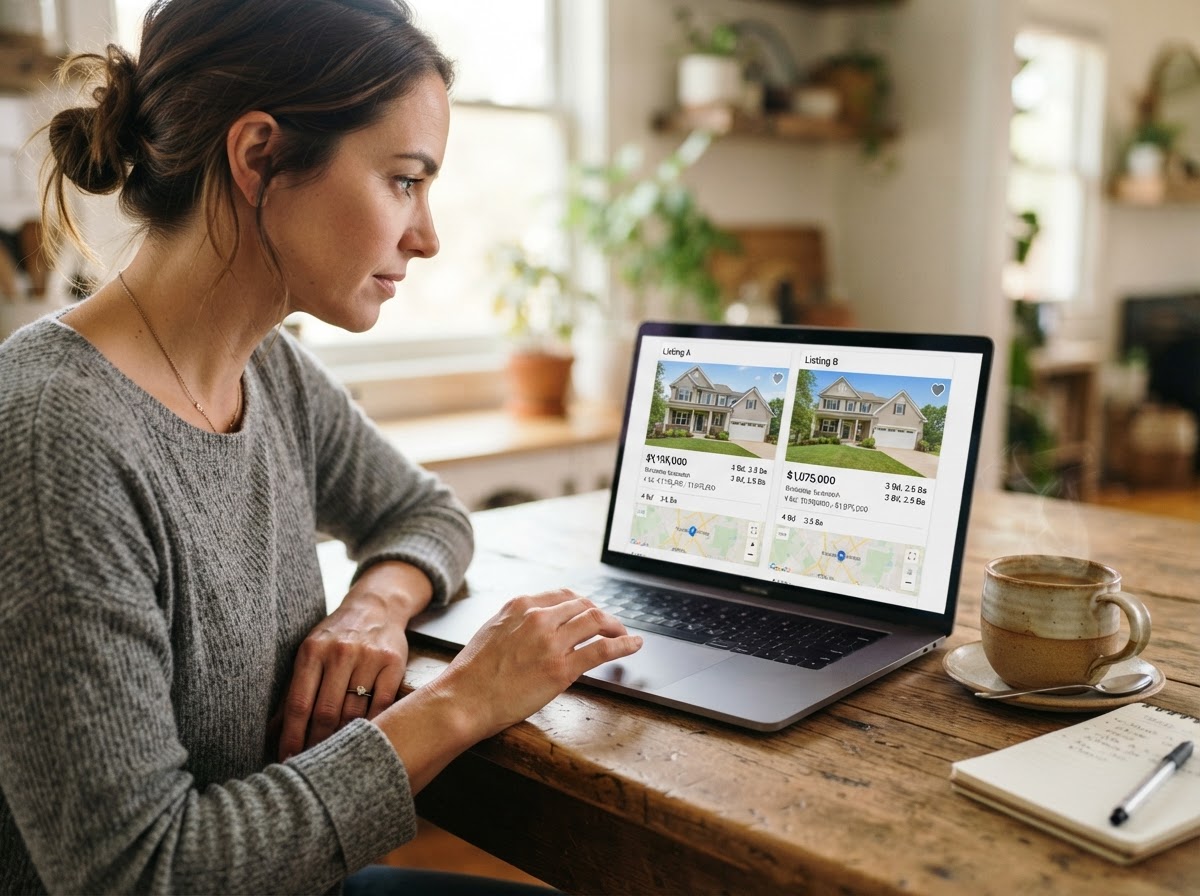
One recent scenario involved a buyer comparing two similar homes online. One appeared cheaper, but a closer review showed it lacked upgrades and had a less favorable location. The initial estimate shifted after looking deeper, which prevented a rushed offer.
5 ways to improve your home price estimate before you buy
Getting closer to a reliable home price estimate does not require insider access. It requires using the right inputs and understanding how each factor affects value.
- Compare recent nearby sales. Focus on properties with similar size, condition, and location. Closed sales tend to reflect market reality better than active listings.
- Adjust for property differences. Features like renovations, lot size, and layout matter. Even small differences can shift value more than expected.
- Track local market trends. Price direction in the area influences how aggressive or conservative an estimate should be. Sources like the National Association of Realtors provide regular market updates.
- Use automated tools carefully. Online estimates can be helpful starting points, but they often miss condition and neighborhood nuance.
- Consult a mortgage and real estate professional. A loan officer and agent can help interpret data through a financing lens, which matters for approval.
Each step adds context. Together, they create a more complete picture.
How lenders evaluate your home price estimate

Lenders do not rely on guesses. They depend on an appraisal to confirm that the purchase price aligns with market value. This step protects both the borrower and the lender.
What appraisers look for
- Comparable recent sales
- Property condition and upgrades
- Location characteristics
- Overall market conditions
If a buyer’s home price estimate is far above the appraised value, the financing structure may need to change. That could mean renegotiating the price or adjusting the down payment.
A buyer once planned an offer based on online estimates alone. The appraisal later came in lower than expected. Because there was no buffer in the plan, the transaction became more complicated than necessary.
Fannie Mae and Freddie Mac provide appraisal standards that guide this process, reinforcing consistency across conventional loans.
Common mistakes that throw off a home price estimate
Even well-prepared buyers can misread pricing signals. Certain patterns show up often and can lead to inaccurate expectations.
Where estimates go wrong
- Relying only on listing prices instead of closed sales
- Ignoring property condition differences
- Overvaluing cosmetic upgrades
- Missing neighborhood-specific trends
A frequent example involves buyers assuming all homes in a neighborhood carry the same value. In reality, factors like street location or recent renovations can create noticeable differences.
The Federal Reserve has noted that housing markets can vary significantly even within small geographic areas, which reinforces the need for localized analysis.
Connecting your home price estimate to your mortgage strategy
A home price estimate is not only about the offer. It also shapes the financing approach. Loan type, down payment, and monthly payment all connect back to the purchase price.
For example, a buyer considering a higher-priced home might explore different loan programs such as FHA, VA, or conventional options. Each has guidelines that affect qualification and overall cost structure.
In one case, a self-employed borrower adjusted their target price range after reviewing income documentation and loan options. The revised estimate aligned better with approval guidelines and reduced stress during underwriting.
Planning ahead helps avoid surprises. Exploring options like mortgage pre-approval guidance or reviewing a homebuyer financing strategy can clarify how pricing and financing interact.
All loans are subject to approval. Equal Housing Lender.
Building confidence before making an offer
Confidence in a home price estimate comes from preparation, not guesswork. Buyers who combine data, professional insight, and financing clarity tend to move forward with fewer surprises.
A thoughtful estimate creates room for better negotiation and smoother underwriting. It also supports long-term financial comfort, which matters beyond the closing table.
For buyers and agents alike, understanding pricing builds stronger transactions. It leads to clearer communication and more predictable outcomes.
Those preparing to buy or advise clients benefit from taking the time to refine their estimate before acting. It is one of the most practical ways to reduce friction in the process.
Ready to refine your estimate?
To get pre-qualified or discuss your scenario, contact John Naccarato at (702) 813-4632 or via email at john@johnnaccarato.com, or book a free consultation.
Frequently Asked Questions
How do I get a reliable home price estimate before making an offer?
Start with recent closed sales of similar nearby properties, then adjust for differences in condition, size, and location. Track local market trends and use online tools as a starting point rather than a final answer. A loan officer and real estate agent can interpret the data through a financing lens, which matters for approval.
Why is my home price estimate different from online values?
Online estimates rely on automated models that often miss property condition, recent renovations, and neighborhood nuance. They can be helpful starting points, but they rarely reflect the full picture. Comparing closed sales and consulting a professional usually produces a more accurate estimate.
Does the appraisal always match the home price estimate?
Not always. An appraisal confirms that the purchase price aligns with market value using comparable sales, condition, and location. If the appraisal comes in below the estimate, the financing structure may need to change, which could mean renegotiating the price or adjusting the down payment.
Can a mortgage pre-approval help with my home price estimate?
Yes. Pre-approval clarifies the price range a lender will support, which keeps your estimate aligned with what underwriting will review. It also strengthens your offer and helps you focus on homes that fit both your budget and approval guidelines.
What factors impact a home price estimate the most?
Comparable recent sales, property condition and upgrades, location characteristics, and overall market conditions have the largest impact. Even small differences in layout, lot size, or street location can shift value more than expected, which is why localized analysis matters.
More Mortgage Guides



Subscribe to my newsletter
Get the latest Las Vegas real estate market updates, mortgage tips, and rate alerts delivered to your inbox.