
Discount Points Mortgage Basics Every Buyer Should Know
Discount points let you pay upfront to lower your interest rate. Learn how buying down a rate works, when points make sense, and how to evaluate the tradeoff before you close.
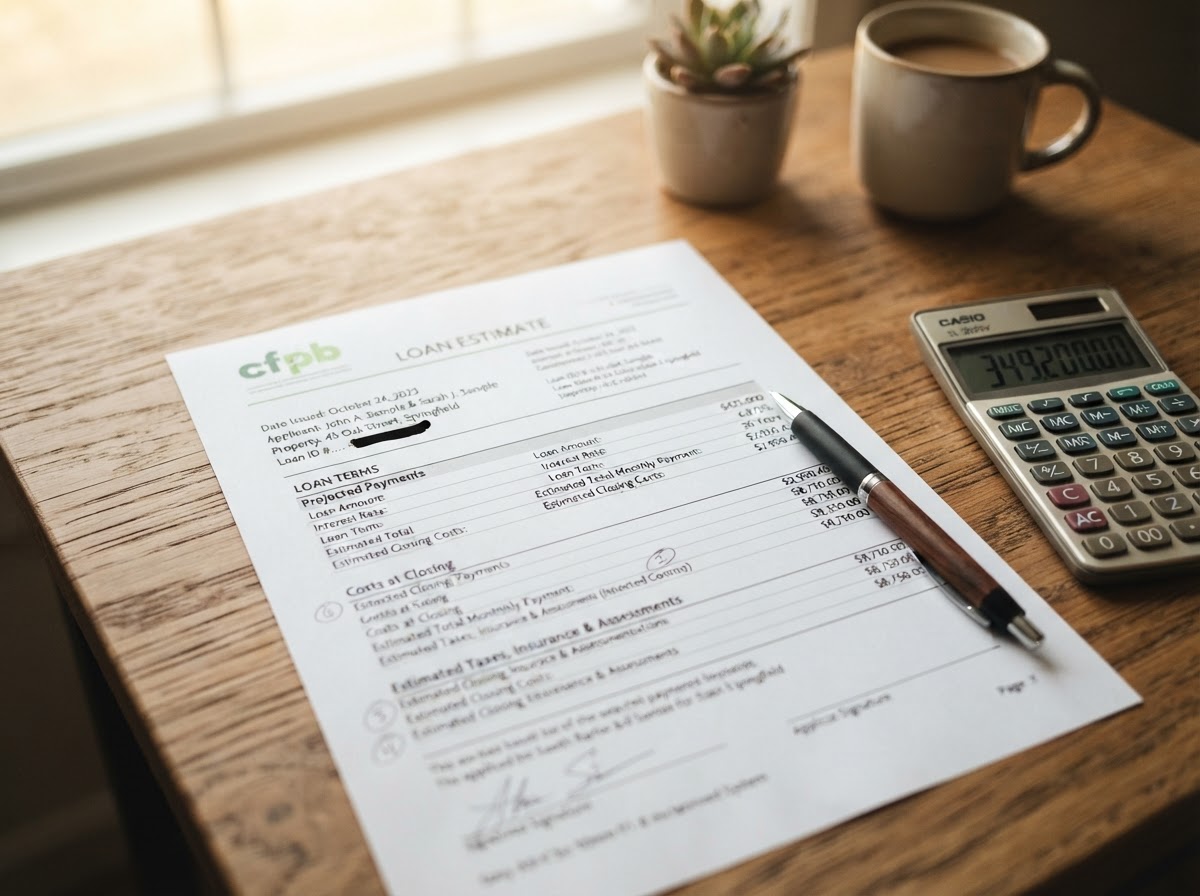
Discount points mortgage basics every buyer should know
“Karen wanted a lower rate… but didn’t want to pay for it.” That moment shows up in almost every loan conversation. A discount points mortgage works on a simple idea. You can pay upfront to reduce your interest rate, or keep more cash and accept a higher rate. There is always a tradeoff.
Discount points are prepaid interest. Each point is a percentage of the loan amount, paid at closing, in exchange for a lower rate over time. The exact reduction depends on market conditions and pricing on that day. Lenders do not all price points the same way, which is why clear explanations matter.
A borrower comparing two options might see one with a higher rate and lower closing costs, and another with a lower rate and higher upfront costs. Both can be valid. The right choice depends on how long the borrower expects to keep the loan and how comfortable they are with upfront cash.
Sources like the Consumer Financial Protection Bureau explain that points are optional and should be evaluated based on long term savings, not just the initial payment change.
How buying down your interest rate actually works
When a borrower buys down their rate, they are paying interest in advance to reduce what accrues over time. This lowers the monthly payment, but increases the upfront cost at closing.
A simple scenario
Consider a buyer choosing between two loan options. One option has a slightly higher rate with lower upfront costs. The other includes discount points and a lower rate, which reduces the monthly payment. The difference in payment might feel small month to month, but over years it can add up.
The key question becomes how long the borrower will keep the loan. If the loan is kept long enough, the upfront cost can be recovered through the monthly savings. If the home is sold or refinanced early, the upfront cost may not be fully recovered.
This is often called the break even point. Lenders should walk through this clearly. If that conversation is skipped, that is worth questioning.
Freddie Mac and Fannie Mae both emphasize evaluating total loan cost over time rather than focusing on rate alone (freddiemac.com, fanniemae.com).
When discount points make sense for a borrower

A discount points mortgage can be a strong strategy in the right situation. It tends to fit borrowers who expect stability in their loan over time.
Example use case
A homeowner planning to stay in the property long term may benefit from a lower rate secured upfront. Over time, the reduced monthly payment can outweigh the initial cost.
Another example includes borrowers who prefer predictable expenses. A lower fixed payment can provide more consistency in budgeting, especially when combined with a fixed rate loan.
Investors sometimes evaluate points differently. With DSCR loans or rental properties, the focus may shift toward cash flow and return over time rather than just monthly savings.
There is no universal answer. Loan structure should match the borrower’s timeline, financial goals, and comfort with upfront costs.
When paying points may not be the right move
Not every borrower benefits from paying points. In some cases, keeping cash on hand or accepting a slightly higher rate can be the more practical choice.
Example use case
A buyer who expects to move within a shorter time frame may not reach the break even point. In that case, the upfront cost does not fully pay off.
Cash reserves also matter. Using funds for points means those funds are not available for repairs, emergencies, or other financial priorities after closing.
There are also market considerations. If refinancing becomes an option in the future due to rate changes, paying points today may not deliver the expected long term benefit.
The Mortgage Bankers Association notes that borrower behavior, including refinance patterns, plays a major role in long term loan outcomes (mba.org).
How to evaluate a discount points mortgage like a pro

Evaluating a discount points mortgage comes down to clarity. A borrower should understand both the short term and long term impact before making a decision.
Questions to ask your lender
- How much does each pricing option change the monthly payment?
- What is the estimated break even timeline?
- What assumptions are being used in that calculation?
- How does this align with my expected time in the home?
A strong lender will walk through multiple scenarios, not just present a single quote. Transparency matters more than pushing a specific option.
For buyers early in the process, a mortgage pre-approval process can help frame these decisions. For those comparing structures, a loan program comparison guide can clarify tradeoffs across products.
Clarity builds confidence. That confidence leads to better decisions.
Why clear explanations matter more than the rate itself
Confusion around points is common. Some borrowers are told they are getting a great rate without a full explanation of the cost behind it. Others avoid points entirely without understanding when they might help.
The real issue is not the concept of points. It is how clearly they are explained. A well structured loan discussion should outline options, show tradeoffs, and connect the numbers to real life plans.
According to the CFPB, understanding total loan cost and not focusing solely on rate helps borrowers make more informed decisions.
A borrower should leave a conversation knowing why a choice was made, not just what the rate is.
Buying in Nevada or Oregon?
John Naccarato can help you compare pricing options and understand the tradeoff before you lock in a rate.
All loans are subject to approval. Terms, eligibility, and pricing vary based on borrower profile and market conditions. Equal Housing Lender.
Frequently Asked Questions
What is a discount points mortgage?
A discount points mortgage is a loan where the borrower pays an upfront fee, called points, at closing in exchange for a lower interest rate over the life of the loan. Each point equals one percent of the loan amount. The tradeoff is between paying more cash upfront and saving on the monthly payment over time.
How do I know if buying mortgage points is worth it?
The key is the break-even point, which is how long it takes for the monthly savings from the lower rate to exceed the upfront cost. If you expect to keep the loan longer than the break-even period, points may pay off. If you plan to sell or refinance sooner, the upfront cost may not be fully recovered.
Do all lenders offer the same pricing for discount points?
No. Lenders price points differently based on market conditions, investor guidelines, and the specific loan scenario. That is why comparing Loan Estimates side by side and asking for a clear explanation of each option matters more than comparing a single rate quote.
Can I negotiate discount points on a mortgage?
Points are part of the overall pricing structure, and the rate-and-fee tradeoff is set by the lender's pricing. What a borrower can do is compare offers from multiple lenders and ask each to walk through the options. The goal is choosing the structure that fits your timeline and budget, not simply accepting the first quote.
Are discount points tax deductible?
Discount points are generally treated as prepaid interest, which may be deductible if you itemize deductions. The rules depend on your tax situation, the type of loan, and whether the points were paid to buy or refinance. A tax professional can confirm how they apply to your return. This article is not tax advice.
More Mortgage Guides



Subscribe to my newsletter
Get the latest Las Vegas real estate market updates, mortgage tips, and rate alerts delivered to your inbox.